

Future/Elsewhere: Dreams Are Transitory Things (2022)
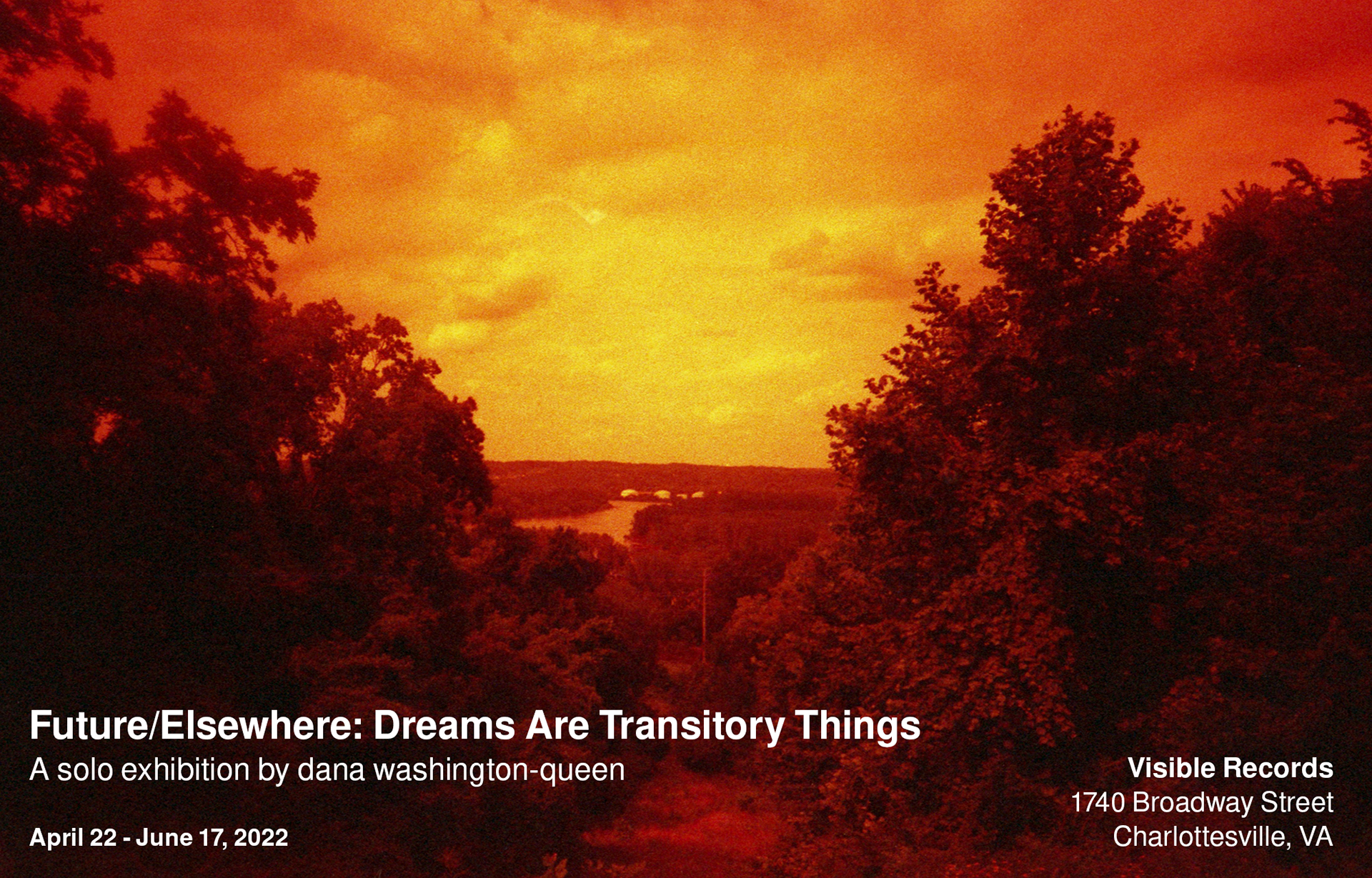
In the field of utopian studies, defining the term utopia has been of contentious debate. In “Educated Hope: Ernst Bloch on Abstract and Concrete Utopia,” Ruth Levitas situates Ernst Bloch’s The Principle of Hope as a “rehabilitation of the concept of utopia” (13) by drawing on his distinction between abstract and concrete utopia. Ernst Bloch defended utopia against the disciplined and undisciplined dreaming problem, arguing that hope must be understood “as a direct act of a cognitive kind” (1:12). Moreover, according to Levitas, the function of a/an utopia wish is to enact change, or “a transformed future.”
In Freedom Dreams: Black Radical Imagination, Robin D.G. Kelley affirms that, “The map to a new world is in the imagination, in what we see in our third eyes rather than the desolation that surrounds us” (2). Invoking both the spiritual and the speculative, the Black imagination engages experiments of freedom through and beyond the logics of time and space. As I pieced together oral stories passed down to me, I can’t help but have gratitude for the clarity and boldness of my grandparents, for their escape, and freedom-seeking. My intention with repurposing archival material and the selected literature is to interpret, speculate, and locate nuance in the complexity of experience, embodiment, and expression. Here I consider: How do you get freedom? How will you get there?
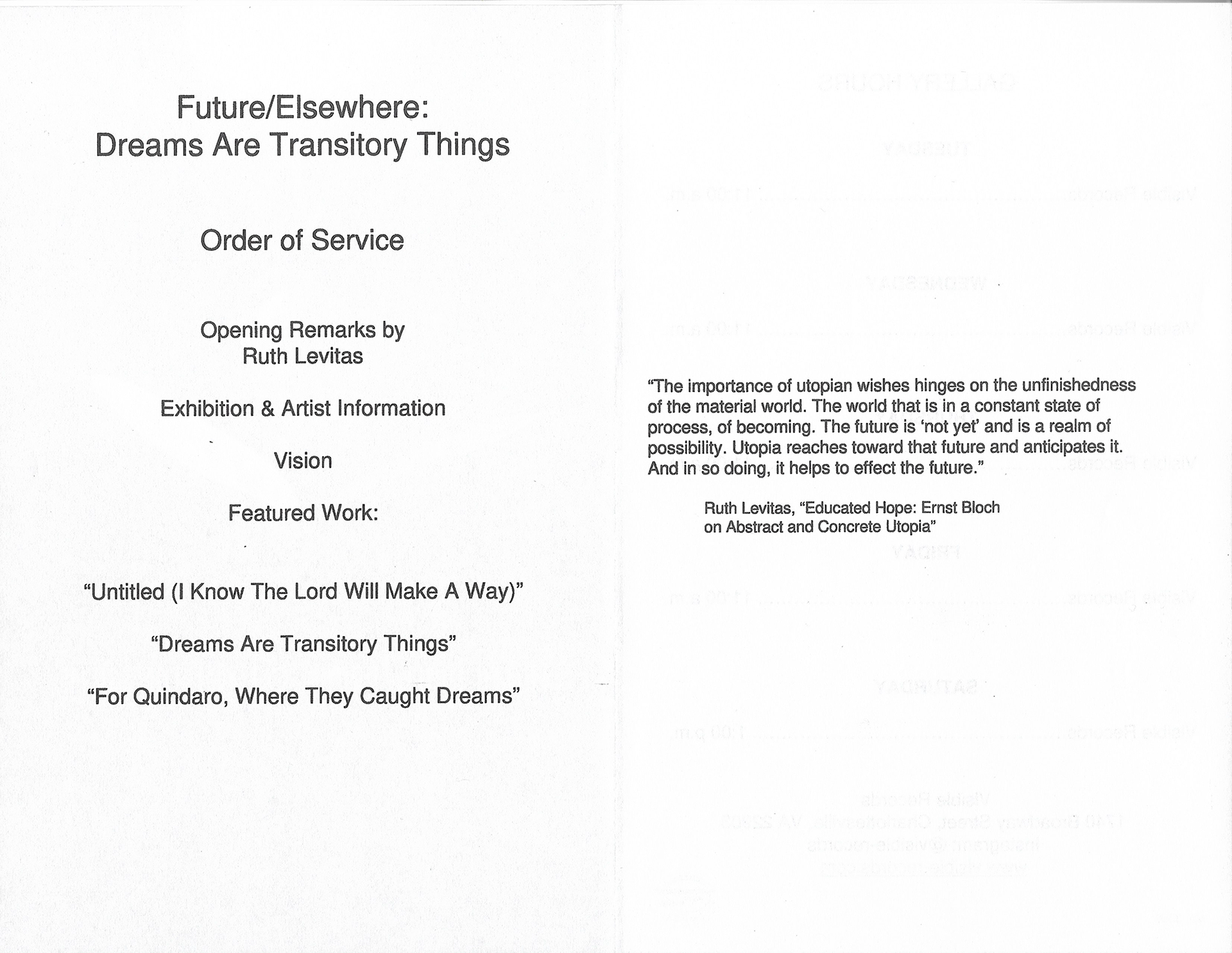
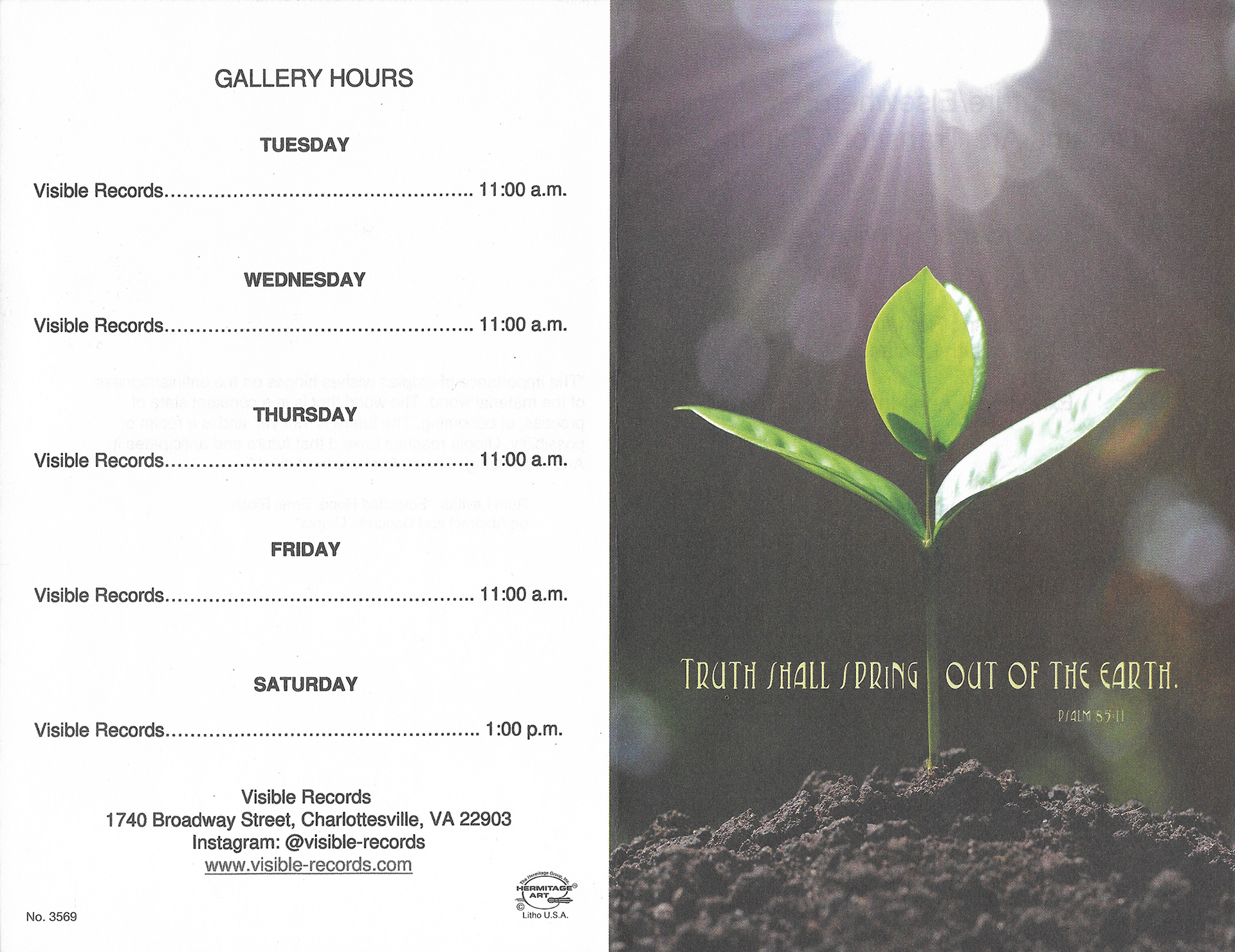
An exhibition catalog printed as a church service bulletin, 2022.
I Know the Lord Will Make A Way (2020)
A 3-channel video exploring geographic and cultural movement of song through embodied performance.
Archival footage moves between renditions of Eugene Smith’s “I Know the Lord Will Make A Way, Oh Yes He Will” (1941), and documentary footage from Kansas City and Quindaro Ruins–a historical site known to be an underground railroad entryway. Quindaro’s presence in the work reemphasizes performance, embodiment, and song meaning in relation to utopia. The gospel blues song composition follows a four-line poem structure with a narrative hinged on utopian wishes–hope and reassurance are common motifs in Black political and cultural expression.
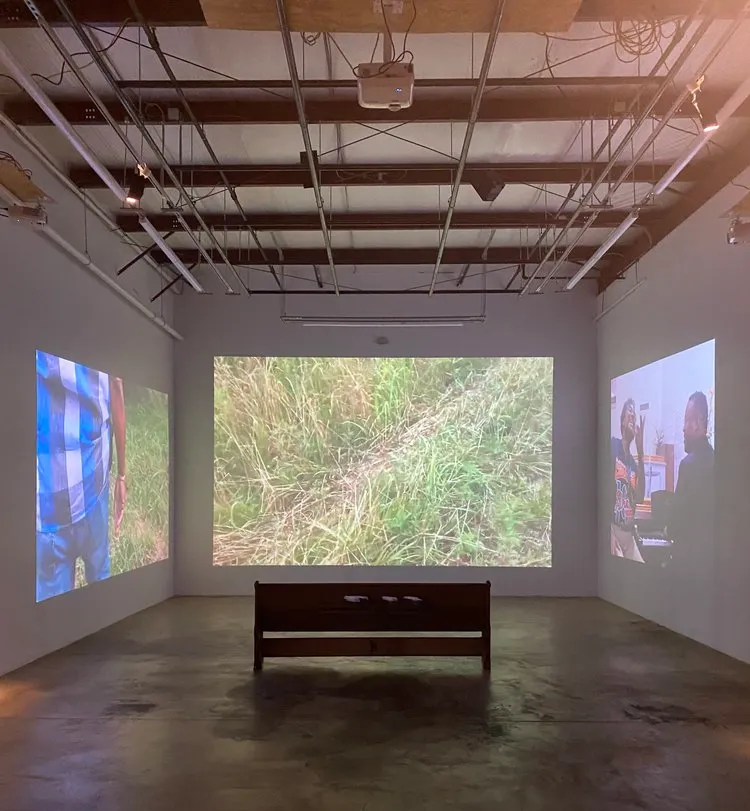
"I Know the Lord Will Make A Way (Oh Yes, He Will)," exhibition documentation, 2022.
“The importance of utopian wishes hinges on the unfinishedness of the material world. The world that is in a constant state of process, of becoming. The future is ‘not yet’ and is a realm of possibility. Utopia reaches toward that future and anticipates it. And in so doing, it helps to effect the future.”
- Ruth Levitas, “Educated Hope: Ernst Bloch on Abstract and Concrete Utopia”
For Quindaro, Where They Caught Dreams (2019)
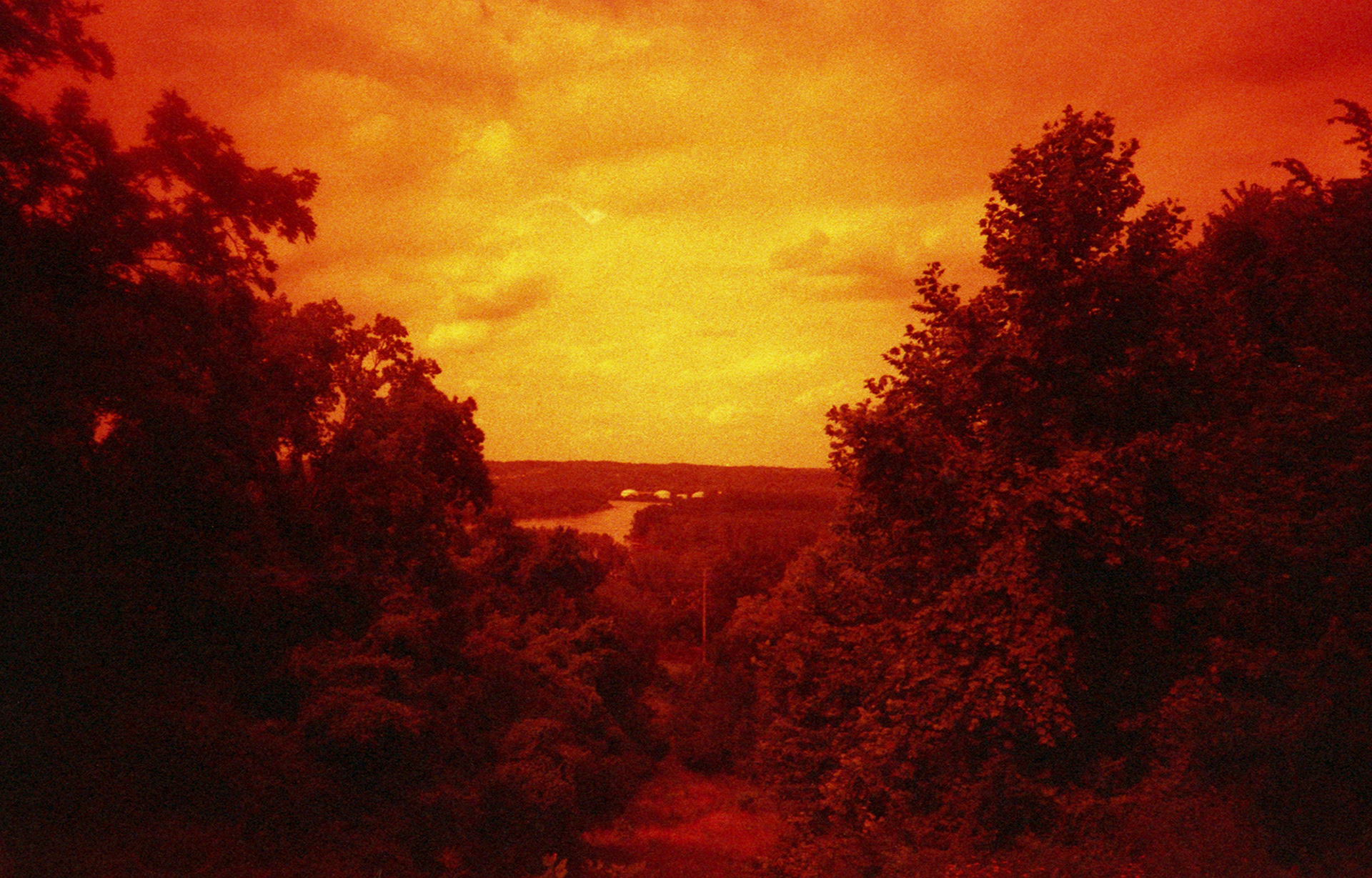
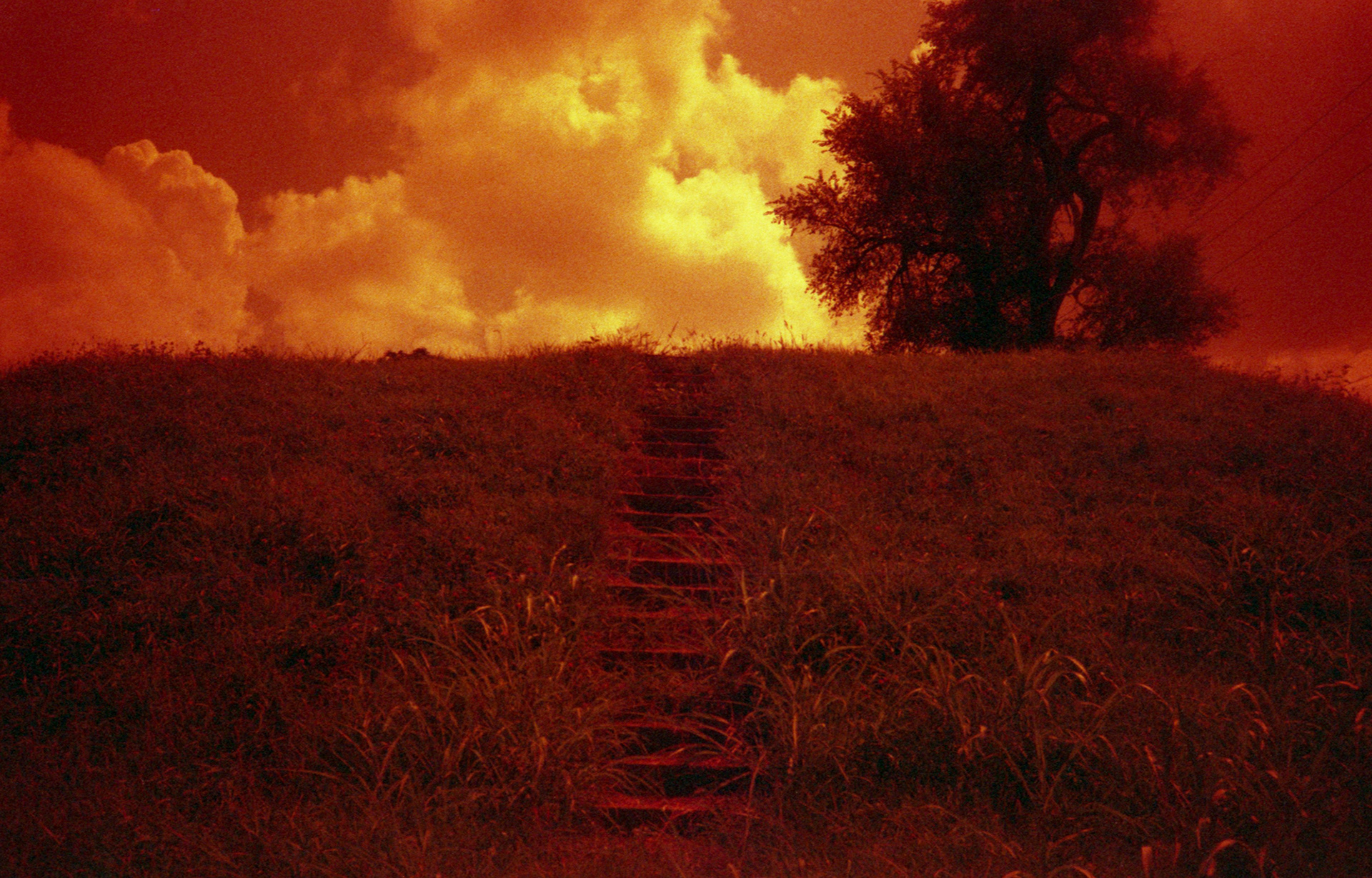
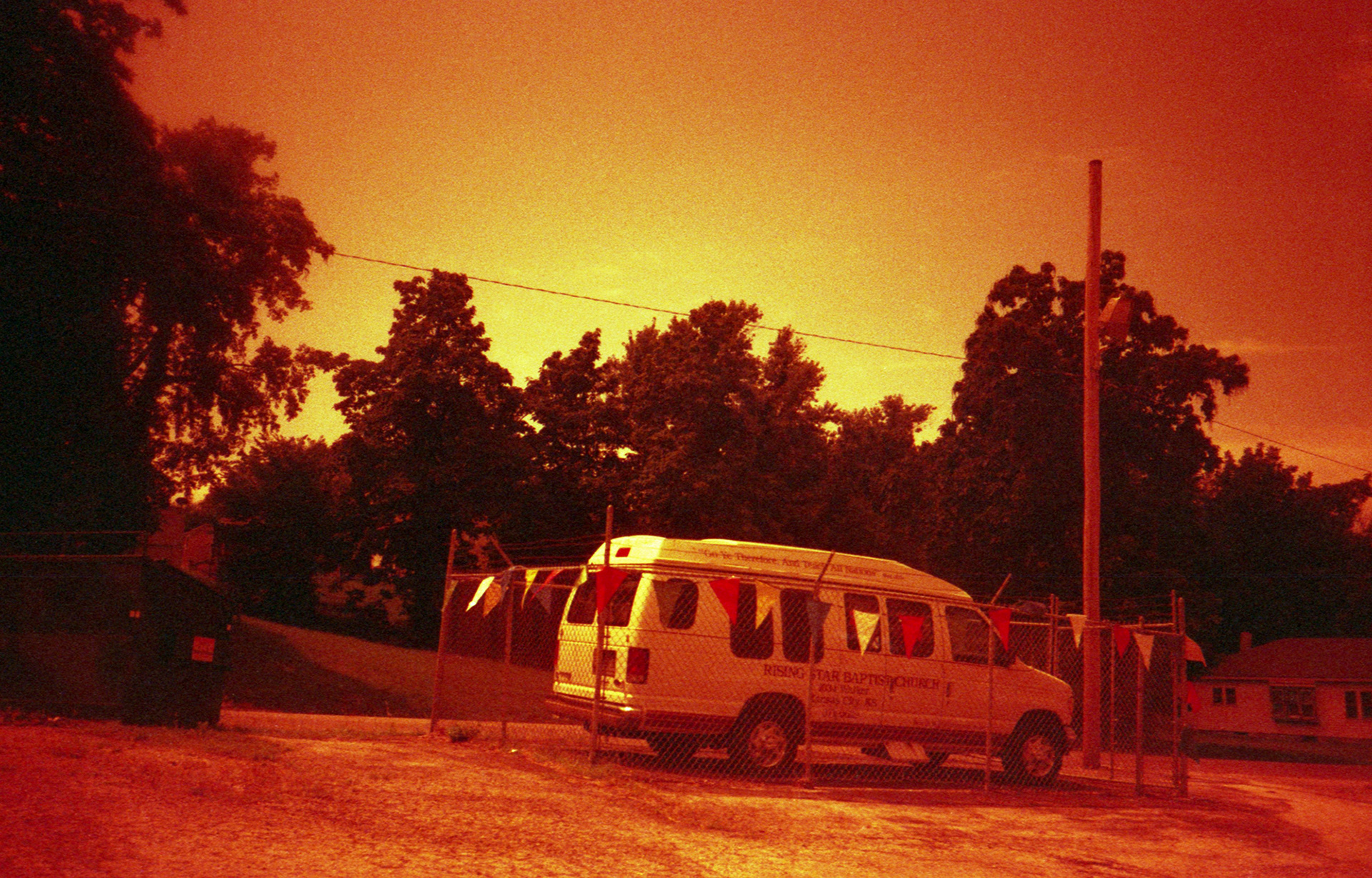
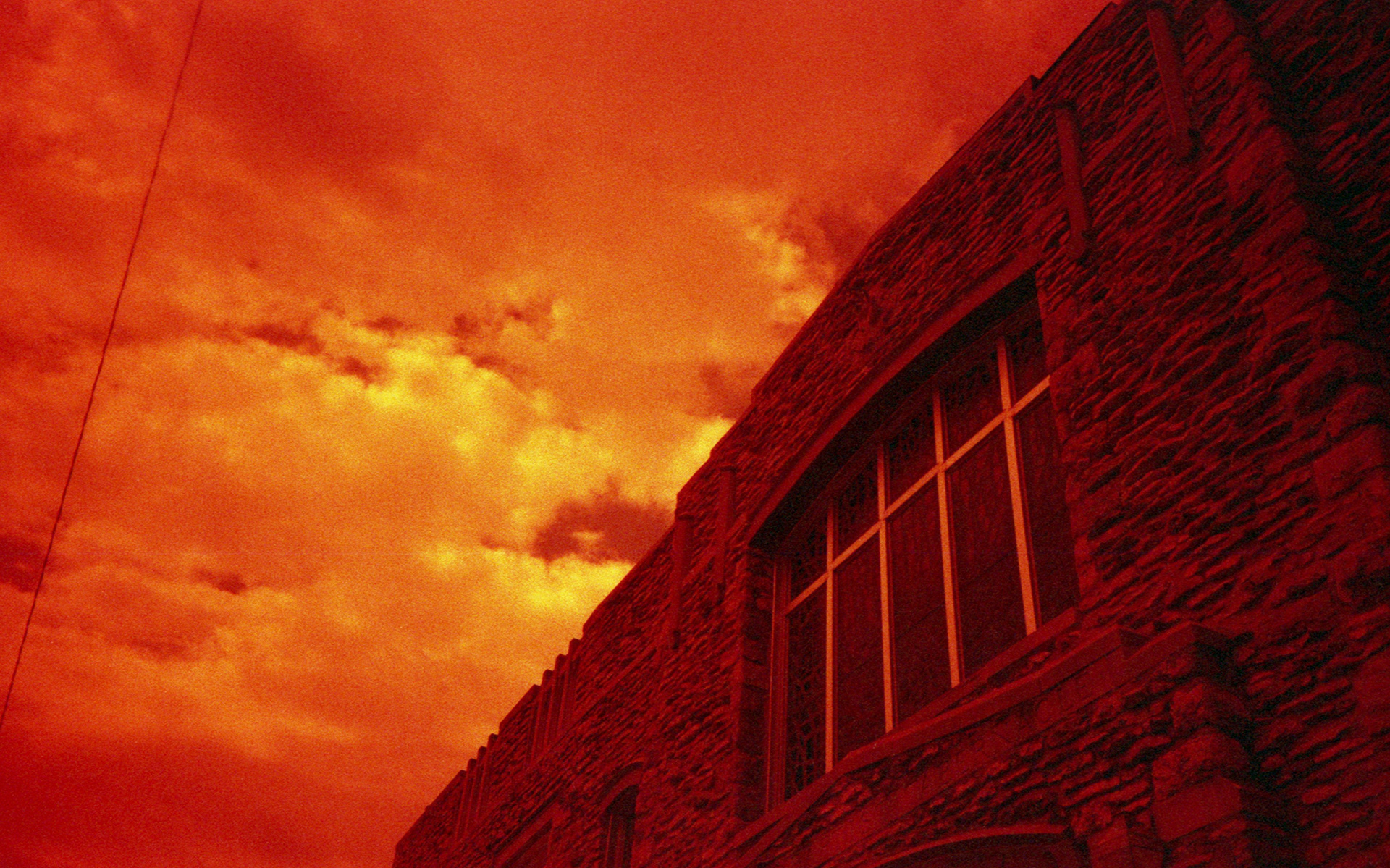
A series of photographs made in Kansas City, Kansas, once a frontier free state. Photos were made using Rollei Redbird Creative 35mm negative film to gesture toward red zoning and city planning tactics to maintain Quindaro’s invisibility. In 2019, I visited a free township called Quindaro in Kansas City, Kansas (now called the Quindaro Ruins), which was an underground railroad for those escaping Missouri, a slave state.
“Dreams Are Transitory Things” (2020)
A custom fabricated banner exploring the immateriality of anticipation through religious iconography. The banner’s text phrase derives from three texts, each being entangled in the intangible: Hebrews 11:1, Gwendolyn Brooks “kitchenette building,” and Solange “Dreams.”
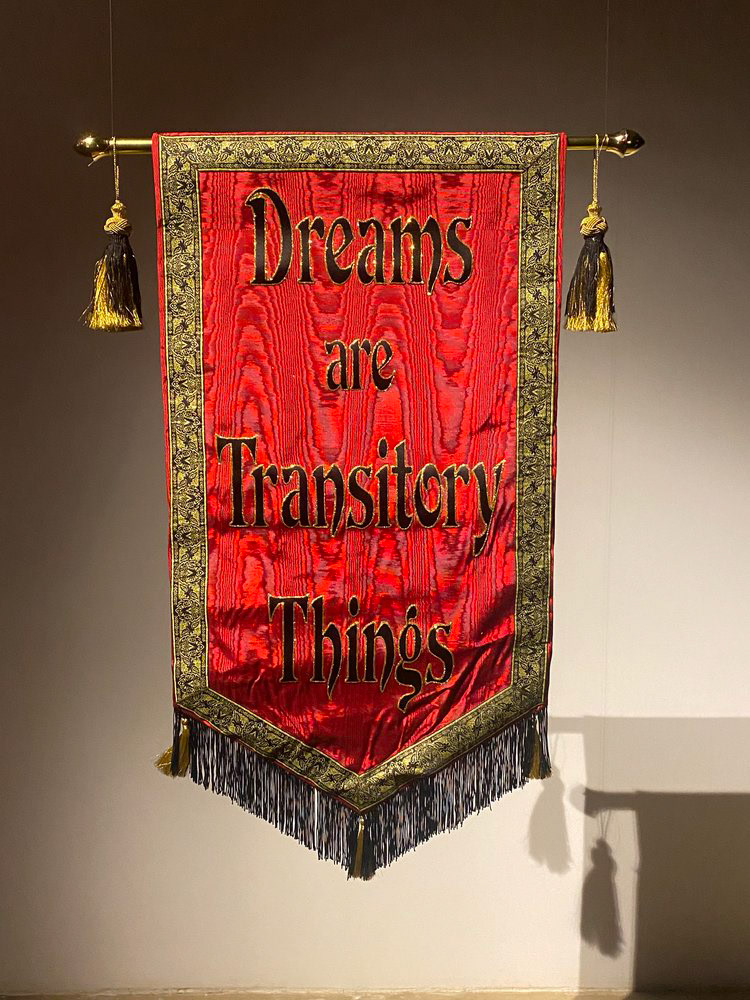
Custom fabricated banner, 2020.